What GCs Should Actually Expect From a Deconstruction Contractor
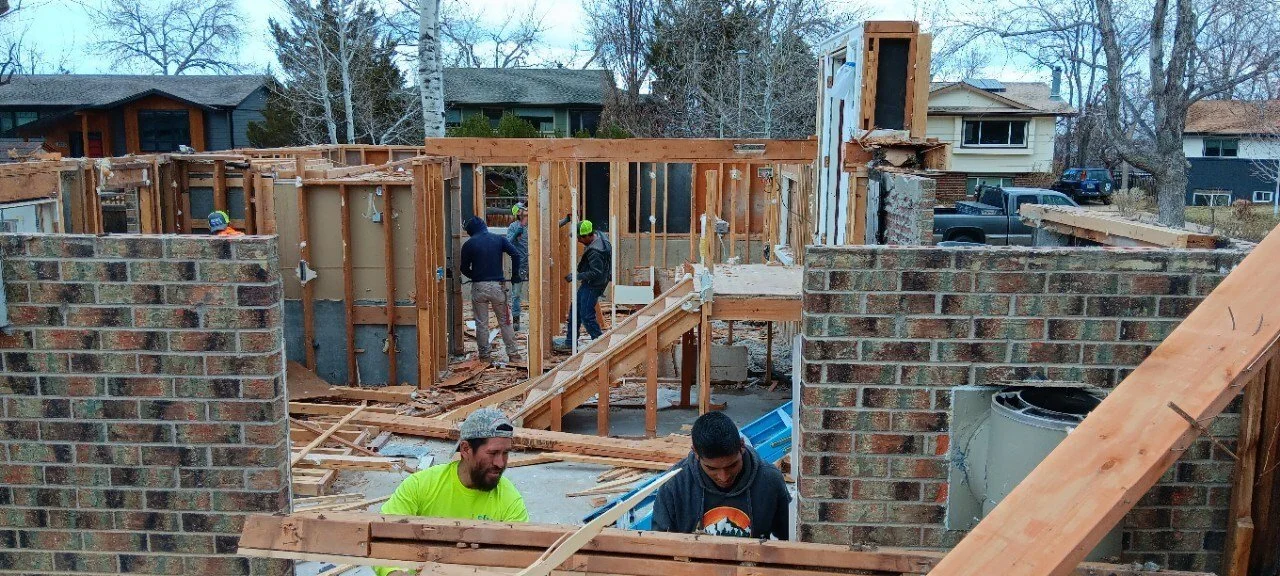
Perks Deconstruction crew working on a job site in Boulder, Colorado
When a general contractor brings on a new subcontractor, the first job is figuring out how much they have to babysit them. That is a fair concern. Most demo crews require supervision, create surprises, and leave messes someone else has to clean up. A professional deconstruction contractor and crew should work differently. Here is what that actually looks like on a job.
Site Protection Comes First, Before Anything Is Touched
The first thing a professional deconstruction crew does on arrival is not pick up a tool. It is protect the structure.
If site protection is required, that happens before demolition begins. Ramboard goes down on floors that need to stay. Zipper walls and magnetic dust doors go up to contain dust and debris. Moving blankets cover finishes, fixtures, and anything flagged to remain. Plywood covers windows at risk. Nothing gets touched until the parts of the home that are staying are protected from the parts that are coming out.
This matters more than most contractors realize until something goes wrong. Damage to finishes, floors, or items meant to stay is one of the most expensive problems in a remodel. Site protection is not optional on a professional deconstruction job. It is the starting point.
Scope Gets Walked Again Before Work Begins
Before any work starts, the crew walks the full scope with the client to confirm nothing has changed since the estimate. Walls being removed get marked. Everything flagged for salvage, reuse, or donation gets identified. Material destinations get confirmed.
This sounds like a small thing. It is not. A clear scope walkthrough at the start of a job is what prevents a crew from pulling something that was supposed to stay, missing something that needed to go, or creating a surprise that ends up on the GC's plate. It also gives the homeowner a moment to raise any last concerns before demo begins, which matters on the kind of projects where clients are emotionally invested in the process.
A Deconstruction Contractor Has a Plan for Every Material Before It Leaves the Site
A professional deconstruction crew does not just pull materials and haul them off. There is a plan for where everything goes before anything is touched.
Salvageable materials go first. What cannot be salvaged goes to donation if possible. What is left goes to recycling or the landfill last. That sequence is intentional. It is also what allows Perks to provide waste diversion documentation at the end of a job, which matters for clients in municipalities with active ordinances and for GCs working on projects with sustainability requirements.
In Colorado, this approach is no longer just a nice-to-have. Denver's Waste No More ordinance and similar policies in other Front Range municipalities are making material diversion documentation a standard part of commercial and high-end residential work. A crew with no salvage plan and no documentation workflow puts the GC in a difficult position.
Communication Is Built Into the Process
A GC working with Perks does not need to check in to know what is happening on the job. Daily logs, job site photos, and clear communication with the project contact are part of how the work gets done, not extras.
The goal is that a contractor can hand off the deconstruction scope and trust it is being handled. That means arriving on time, coordinating cleanly with other trades, keeping the site clean throughout, and delivering a finished handoff that does not create follow-up work.
That is what a good demo handoff looks like.
What to Look for When You Are Hiring a Deconstruction Crew
If you are evaluating a deconstruction contractor in Colorado, these are the questions worth asking:
Do they have a clear site protection protocol, and does it start before demo begins?
Do they walk scope with the client before starting work?
Does the deconstruction contractor have a documented salvage and diversion plan?
Can they provide waste diversion reports at the end of the job?
Can they coordinate independently with your project timeline without constant oversight?
The answers tell you a lot about whether you are dealing with a professional crew or a demolition team calling itself deconstruction.
Work With a Crew That Handles It
Perks Deconstruction is a deconstruction contractor working with general contractors across the Denver metro area, Boulder, Lakewood, Aspen, and the broader Front Range on residential deconstruction, selective demolition, and material salvage.
If you want to see how we work on a job, we are happy to walk a site with you before the project starts.