LEED v5 Is Here. Here’s What It Means for Building Material Reuse and How Perks Can Help
Published May 2026
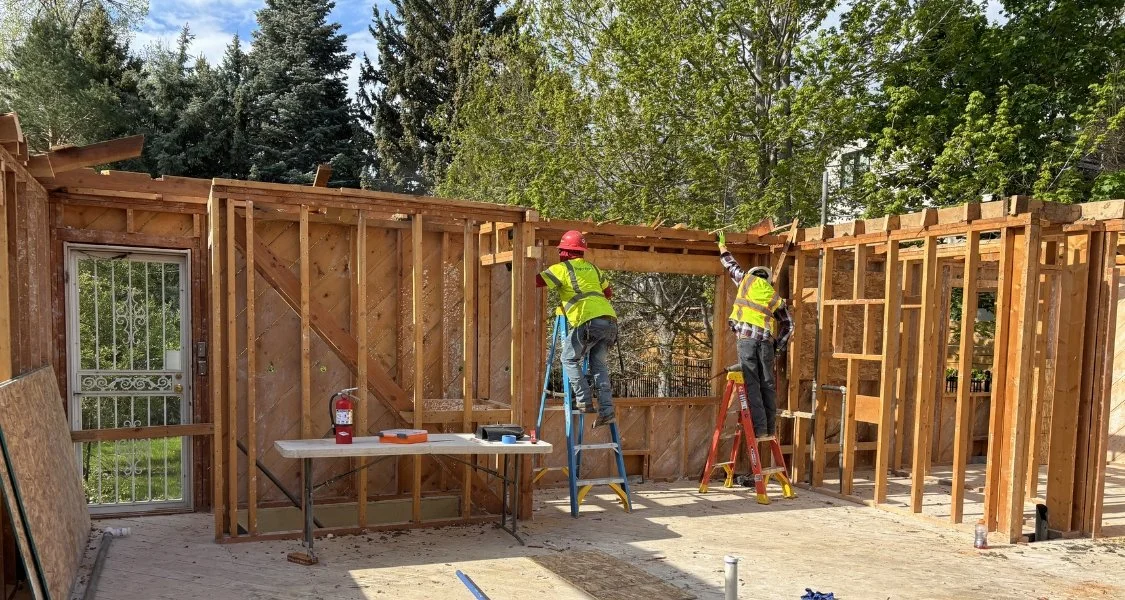
Deconstruction in action: Salvaging reusable materials is now a strategic advantage under LEED v5
LEED v5, the newest version of the world’s most popular green building rating system, increases the focus on reducing the carbon footprint of construction. One of the biggest updates is a stronger push for building material reuse. For general contractors and project teams, this shift creates new opportunities to earn points by salvaging and reusing materials instead of sending them to the landfill, and by using reclaimed materials in new builds.
Why LEED v5 Is Prioritizing Building Material Reuse
The building industry is waking up to the fact that reuse is one of the most effective ways to cut embodied carbon. Reusing existing building materials avoids the environmental impact of manufacturing new products. LEED v5 reflects this reality by increasing both the number of points available and the clarity around how reuse contributes to sustainability goals.
In earlier versions of LEED, reuse and salvage were recognized but not heavily weighted. LEED v5 criteria changes that by:
Increasing the available points for reuse and salvage
Rewarding projects that minimize new building material consumption
Recognizing circular economy practices like deconstruction, material recovery, and local reuse networks
For contractors and developers, this means reuse is no longer a nice-to-have. It is a strategic advantage for earning certification.
What This Means for Your Jobs in Colorado
If you’re bidding commercial remodels, tenant finish projects, or high-end residential remodels, LEED v5 standards give you a clearer pathway to win points through salvage and reuse.
Key examples include:
• Reusing existing building components like doors, flooring, casework, structural wood, stone, and fixtures• Working with deconstruction teams to harvest materials instead of demolishing• Sourcing reclaimed building materials instead of purchasing new products• Documenting material quantities and diversion rates during construction
Perks already supports these green building practices every day. Many of the materials removed during our deconstruction projects go to Perks Reclaimed, where they are sold back into the local construction market.
How Perks Supports LEED v5 Projects
Perks Deconstruction and Perks Reclaimed make it easier for contractors to capture the benefits of LEED v5 criteria without adding complexity to your workflow.
Here’s how we can help:
Full or partial deconstruction to salvage reusable materials
Waste diversion tracking and reporting that aligns with LEED documentation requirements
Access to green building materials through Perks Reclaimed, including reclaimed lumber, beams, stone, windows, flooring, and specialty items
Local sourcing that strengthens your LEED points by avoiding transport emissions
Clear communication and simple coordination so your project stays on schedule
We are already working with general contractors across the Front Range to help them prepare for the shift toward circular construction. LEED v5 requirements will only accelerate this trend.
The Bottom Line
LEED v5 raises the bar for sustainability and embraces something our team believes in: The most sustainable building material is the one that already exists. As LEED increases its emphasis on reuse, the contractors who are ready for this shift will have a competitive edge.
If you want to understand how these updates may affect your upcoming projects or how to incorporate more reclaimed material into your scope, reach out to us. We’re happy to walk you through it and help you build a plan that fits your timelines and goals.